


7 Jan, 2026
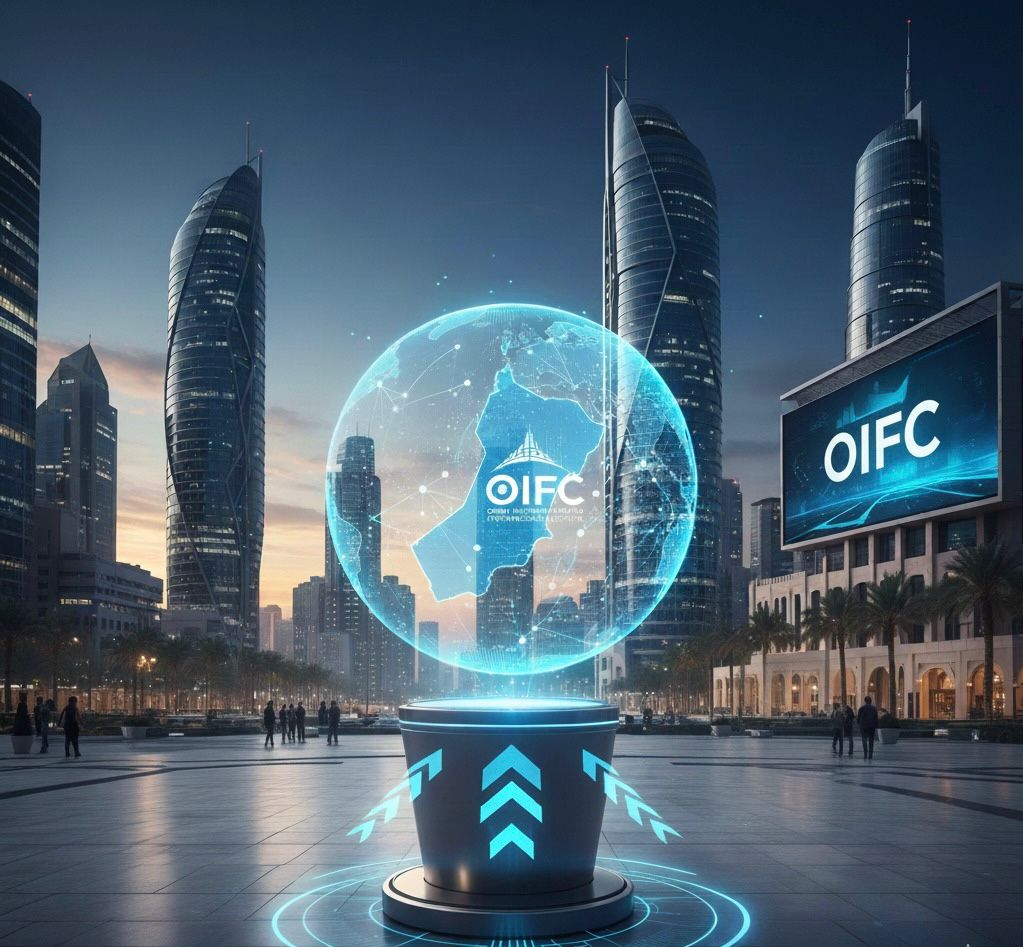
As global investors seek stability, diversification, and regulatory clarity, Oman’s latest move offers an important signal worth understanding.
Oman has recently approved the establishment of a new International Financial Centre (IFC) that will operate with legislative, administrative, and regulatory independence, aligned with global financial standards.
At first glance, this may appear to be another regional policy announcement. But when viewed through a wider lens, it signals a structural shift in how Oman is positioning itself within the global financial ecosystem one with meaningful implications for investors worldwide.
Here’s why this development matters, explained in clear and practical terms.
Like several Gulf economies, Oman has been actively working to diversify beyond oil dependence. The creation of an independent international financial centre is a critical step in that transition.
The objective is to build a transparent, globally aligned financial ecosystem that attracts international capital, supports non oil sectors, and encourages sustainable economic activity.
For investors, markets that demonstrate clear intent and execution around diversification tend to offer broader growth opportunities particularly when supported by long term policy commitment and strategic planning. Oman’s move strongly reflects this direction.
One of the most important considerations for global investors entering any market is regulatory certainty.
By granting the financial centre its own independent legislative and regulatory framework, Oman is sending a clear message:
The rules will be predictable, internationally aligned, and designed to support long term participation.
This matters more than many investors realize. Even strong opportunities can struggle in environments where rules are unclear or subject to frequent change. Regulatory uncertainty increases perceived risk often becoming a barrier to capital deployment.
Oman’s approach aims to reduce that uncertainty, making the country a more comfortable and credible destination for both regional and international investors.
Oman’s new IFC is not designed to compete aggressively with established hubs like Dubai or Abu Dhabi. Instead, it complements the region’s broader financial ecosystem, offering investors additional options and specialized opportunities.
New financial centres often focus on niche areas such as:
• Green and sustainable finance
• Islamic finance
• Specialized investment structures
This diversity benefits investors. More financial hubs mean greater flexibility, better alignment, and improved portfolio diversification, especially for those taking a long-term, global view.
This announcement does not stand in isolation. Oman has been steadily strengthening its investment framework over recent years.
• Foreign direct investment inflows have risen, reflecting increased international confidence
• Global institutions, including the World Bank Group, have expanded engagement in the country
• Capital markets and financial systems continue to mature through policy reforms and institutional development
Together, these trends indicate a broader, ongoing effort to build durable economic foundations and not a one-off initiative.
Investor decision making often sits between two psychological forces:
• Fear of the unknown, driven by unfamiliar markets and frameworks
• Fear of missing out (FOMO), driven by early stage structural growth opportunities
Emerging financial frameworks can trigger both.
Oman’s move toward an independent financial centre helps reduce uncertainty while creating new signals of opportunity. For globally minded, long term investors, this is not something to react to impulsively but it is something worth monitoring, understanding, and evaluating as part of a diversified portfolio strategy.
Oman’s new international financial centre may not generate the same headlines as major stock rallies or technology IPOs. However, it represents a meaningful structural development in how the country is positioning itself within the global financial landscape.
For investors who think in terms of time horizons, policy direction, and systemic change, these are the signals that matter most and not predictions, but indicators.
Markets evolve. Policies shape opportunity. And over time, investors who recognize patterns early tend to be better positioned to benefit.
Published by EMDEE Ventures — a Dubai-based investment and advisory firm focused on long term, globally diversified strategies.